
Management System Implementation
Extraordinary Quality Starts With Technical Competence,
Quality Systems, and Compliance with international standards

STANDARDIZING PUBLIC OFFICES, MINISTRIES, AND ENTERPRISES TO ELEVATE GOVERNANCE, OPERATIONAL TRANSPARENCY, AND SYSTEMIC ACCOUNTABILITY
OBJECTIVES
- Standardize administrative, technical, and operational processes across all departments within the organization.
- Enhance citizen, user, and stakeholder satisfaction by improving the efficiency, speed, and reliability of service delivery.
- Foster a deeply rooted culture of organizational quality, absolute transparency, and systemic accountability.
- Align institutional and enterprise workflows directly with internationally recognized management protocols.
- Prepare public administrative frameworks and public sector operations for credible, independent third-party certification.
KEY FEATURES
- Dual-Phase Architecture: Separates the technical implementation phase from the independent certification phase to guarantee complete transparency, neutrality, and credibility.
- Customized Technical Documentation: Facilitates the creation of tailored Quality Manuals, Standard Operating Procedures (SOPs), and optimized processing formats for all sections.
- Tiered Professional Training: Delivers targeted briefings for senior management alongside intensive workshops for the core implementation team.
- Certified Competency Building: Conducts formal internal auditor training programs based on international ISO standards.
- Dedicated Project Management Unit: Utilizes NBQP to deliver complete end-to-end monitoring, milestone verification, and administrative coordination.
Managing public governance, policy execution, or industrial operations across complex government frameworks and public enterprises often leads to operational variations, processing delays, and inter-departmental coordination gaps. Without documented, standardized administrative and operational workflows, public offices and PSUs frequently find it difficult to maintain consistent quality, track operational accountability, and measure user satisfaction effectively. Additionally, administrative and technical teams often lack the specific quality management training, formal internal audit frameworks, and standardized documentation templates required to address institutional inefficiencies independently. This missing baseline slows down service delivery, increases compliance friction, and reduces the overall impact of vital development programs and corporate operations.
This initiative is a structured, two-phase quality implementation and certification roadmap overseen by NBQP functioning as a Project Management Unit (PMU). The solution deploys empanelled Management Systems Technical Experts to provide direct handholding and capacity building to administrative and operational teams.
By establishing a clear steering committee and a dedicated ISO project team within the organization, the project transforms daily administrative and operational duties into documented, process-driven workflows. This method replaces fragmented operational habits with an integrated, globally recognized Management System(s).
- Establishes clear operational benchmarks, modernizing extensive administrative and corporate networks.
- Introduces structured management review mechanisms to help senior leadership monitor development programs and strategic targets effectively.
- Builds permanent institutional capability through certified internal audit teams.
- Streamlines daily paperwork and slashes administrative delays through standardized departmental SOPs.
- Minimizes processing errors in regulatory, developmental, financial, and welfare workflows.
- Maintains a reliable, data-driven cycle for identifying and correcting non-conformities.
- Upgrades the public and market credibility of governance and corporate output by securing internationally recognized quality certifications.
- Supports broader government mandates for transparent, citizen-centric administration and efficient state-backed enterprise management.
- Creates a scalable quality model suitable for replication across other ministries, departments, and public sector units.
- An agreed project plan with defined milestones for the administration’s or enterprise’s active departments.
- Customized training modules and completed management workshops for local officials and technical staff.
- Successful execution of standard internal audits and formal management reviews.
- Completion of initial certification requirements alongside an independent, NABCB-accredited entity.
Standardizing public administration and corporate governance is a vital step toward establishing transparent, stakeholder-centric services. Government departments, ministries, public sector enterprises, and municipal bodies interested in implementing the Management System(s) are invited to connect with the Quality Council of India. Contact the National Board for Quality Promotion (NBQP) today to explore technical support options, connect with empaneled technical experts, and map out a quality framework for your institution.
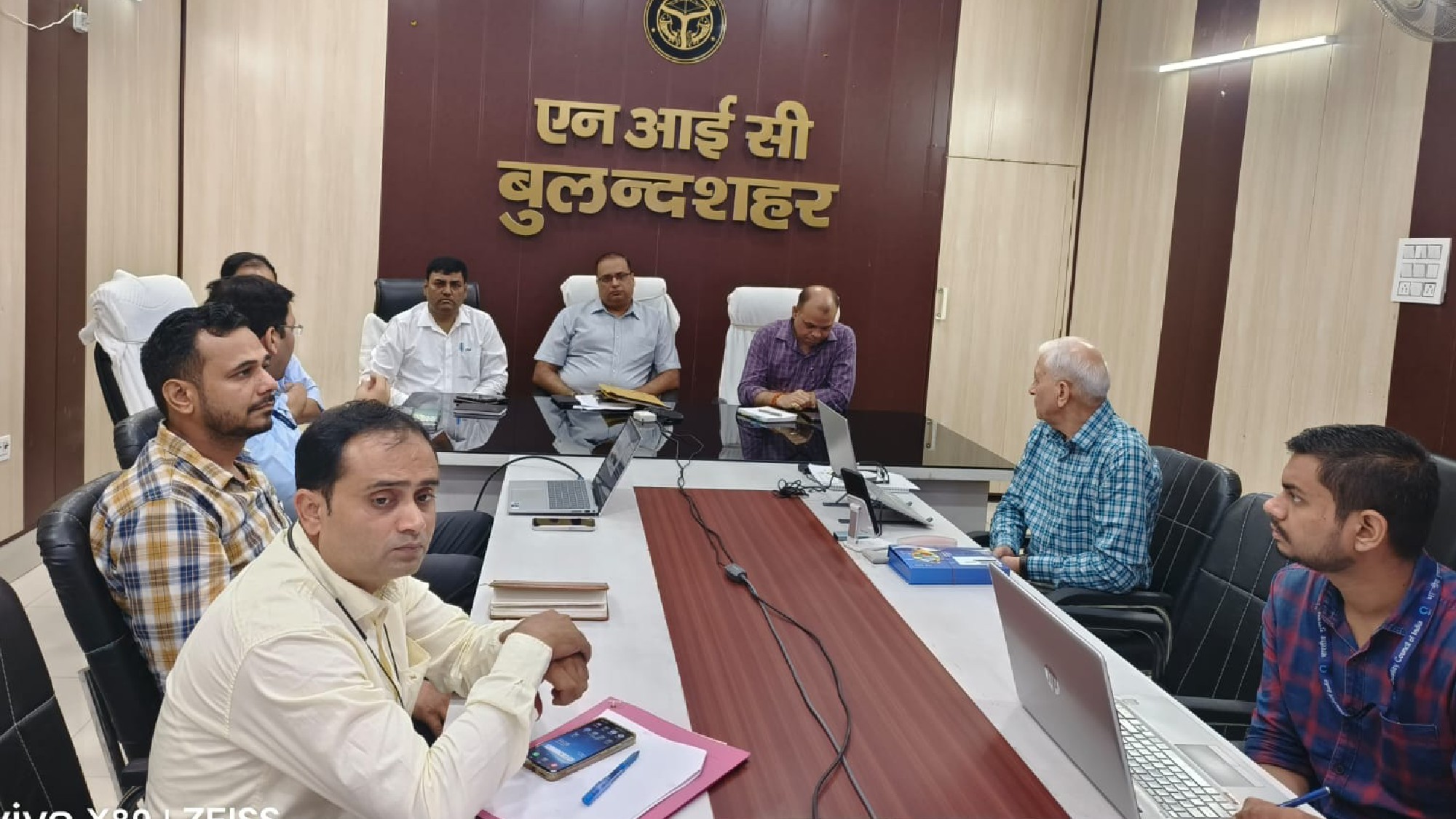
Glimpses