Gunvatta Yatra

DRIVING A NATIONWIDE CULTURE OF QUALITY AND EXCELLENCE ACROSS INDIAN CITIES AND DISTRICTS
OBJECTIVES
- Create widespread public and institutional awareness regarding the importance of standardized quality and formal accreditation.
- Encourage organizations to voluntarily implement validation, certification, and accreditation frameworks managed by QCI constituent boards.
- Strengthen India’s overarching National Quality Infrastructure by increasing the market adoption of globally recognized operational standards.
- Facilitate seamless technical knowledge sharing between field regulators, subject matter experts, accredited bodies, and prospective applicants.
- Improve the local accessibility of national accreditation systems by resolving specific stakeholder queries through direct interaction with technical experts.
- Promote quality-driven public governance models and deeply citizen-centric service delivery mechanisms. Showcase successful operational case studies that clearly demonstrate the tangible financial and structural benefits of formal accreditation.
- Build long-term developmental partnerships with state governments, regional industries, healthcare networks, and academic professional bodies.
KEY FEATURES
- Flagship Outreach and Awareness: Deploys interactive public modules directly to cities and districts to foster a shared national quality movement.
- Direct Technical Guidance: Connects localized entities with subject matter experts to resolve complex eligibility, documentation, and implementation hurdles.
- Cross-Sector Integration: Brings together government departments, private industries, healthcare providers, laboratories, and academia onto a unified operational platform.
- Success Story Benchmarking: Showcases real-world case studies from successfully accredited organizations to illustrate measurable progress and best practices.
- Ecosystem Networking: Facilitates structured collaboration opportunities among local institutional leaders, industry regulators, and quality professionals.
Quality has shifted from a mere competitive advantage to an absolute operational necessity across public and private sectors. To cultivate an ecosystem where reliability, transparency, and safety are standard, the Quality Council of India (QCI) engineered the Gunvatta Yatra initiative. This specialized national outreach campaign takes robust technical frameworks directly out of administrative offices and onto the ground floor of regional institutions. The strategic vision behind Gunvatta Yatra is to forge a quality-conscious nation where all service providers embrace globally benchmarked systems. By embedding these rigorous workflows locally, the project drives long-term efficiency, elevates public trust, and promotes sustainable economic growth. The campaign directly supports core national visions such as Viksit Bharat 2047, Atmanirbhar Bharat, Make in India, Ease of Doing Business, and Digital India.
Organizations across regional manufacturing hubs, local healthcare sectors, and municipal public works frequently treat quality as an isolated compliance burden rather than an integrated production capability. This systemic gap often leads to high operational inefficiencies, reduced safety margins, and a lack of public trust. Gunvatta Yatra addresses these geographic and structural disparities by serving as a mobile, nationwide accelerator for quality systems engineering. The project functions as a dynamic education platform that brings technical expertise directly to regional clusters. By uniting diverse economic stakeholders with QCI’s specialized constituent boards, the program deconstructs complex regulatory guidelines into accessible, actionable workflows. This approach provides localized institutions with the direct technical guidance needed to build sustainable compliance-by-design frameworks.
Organizational Benefits
- For Industries & MSMEs: Improves product and service quality, optimizes plant productivity, and sharpens general market competitiveness.
- For Healthcare Institutions: Elevates clinical governance protocols, establishes standardized care pathways, and raises public confidence.
- For Test Laboratories: Demonstrates verifiable technical competence and ensures the production of highly reliable, internationally accepted test results.
Operational Benefits
- Minimizes institutional errors and system variations through the integration of process-driven workflows.
- Simplifies market expansion by providing regional enterprises with easier access to competitive domestic and international supply networks.
- Maximizes internal capability building through specialized interactive technical sessions led by experienced auditors.
Long-term Strategic Value
- Enhanced Governance: Strengthens public service delivery systems while building deep citizen trust in administrative institutions.
- Global Market Integration: Aligns local industrial infrastructure directly with international conformity frameworks, paving the way for expanded export potential.
- Sustainable Development: Supports United Nations Sustainable Development Goals (SDGs) by advancing good health, quality education, and responsible production models.
- Widespread baseline expansion of formal accreditation applications initiated by regional clinics, labs, and factories.
- The establishment of long-term developmental partnerships between state regulators, industry associations, and national boards.
- A measurable increase in the adoption of globally recognized quality benchmarks across regional manufacturing and supply chains.
- Deep institutionalization of transparent, efficient, and technology-driven workflows within state administrative departments.
- Comprehensive post-event outcome summaries detailing event metrics, stakeholder satisfaction, and regional enquiry generation.
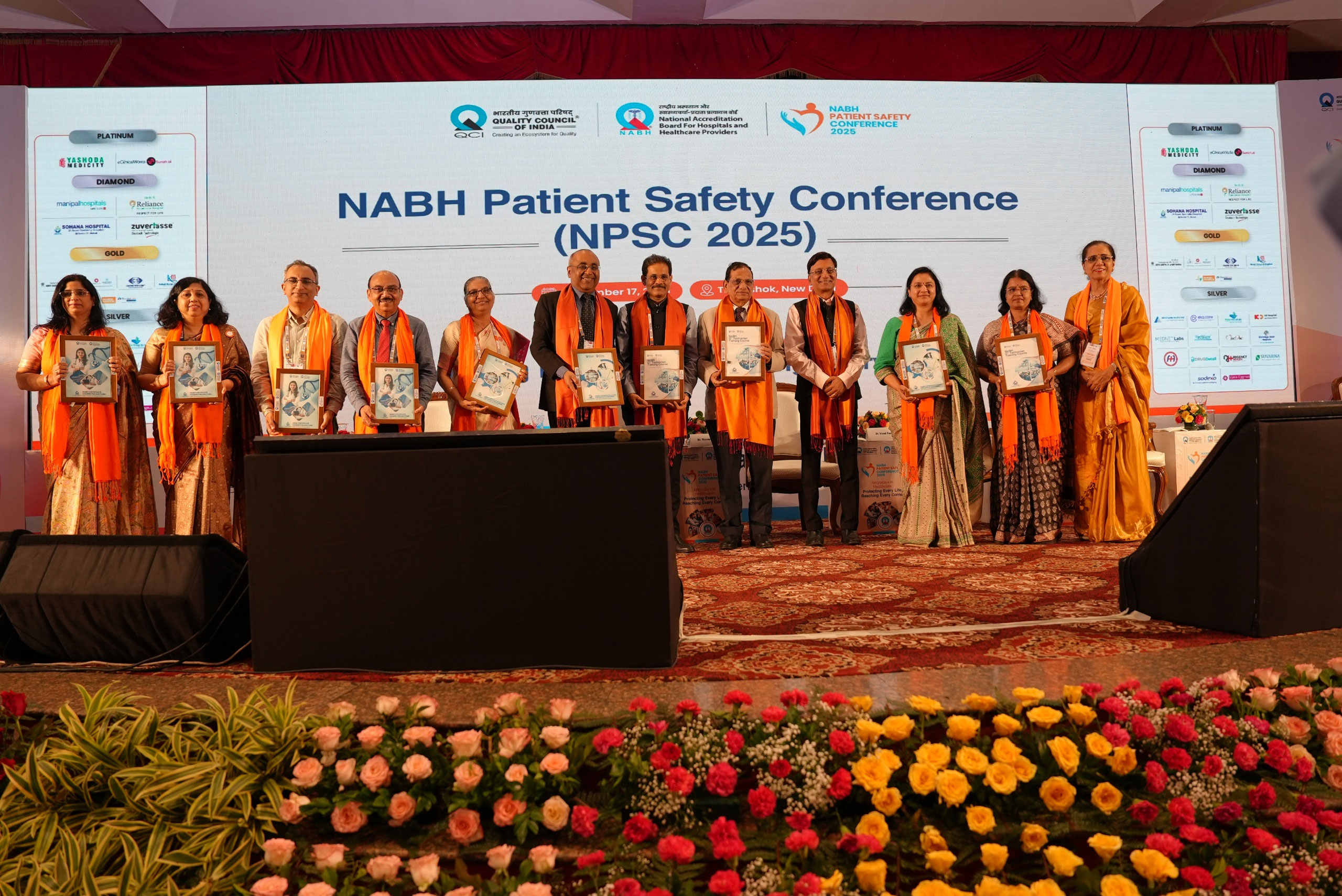
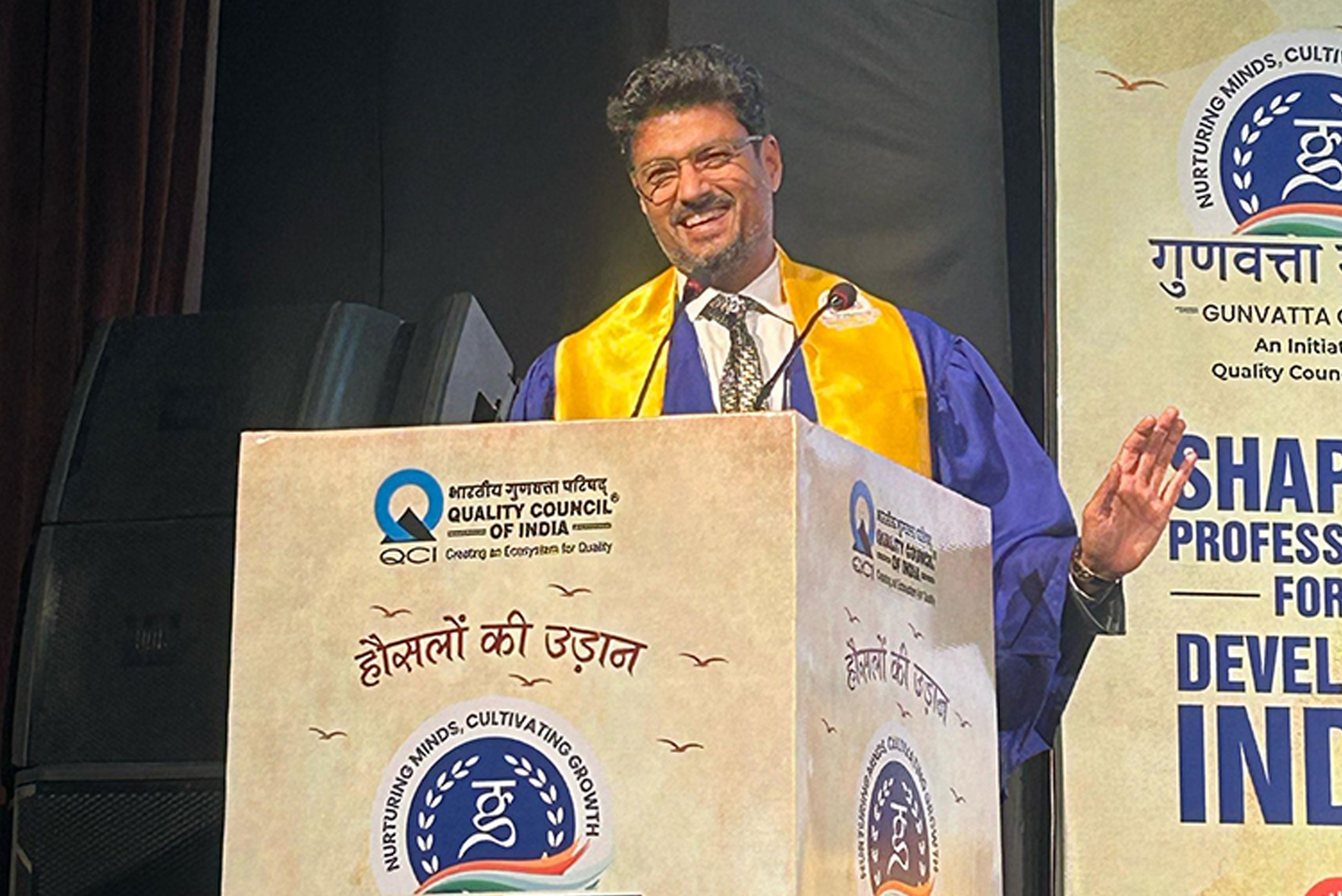
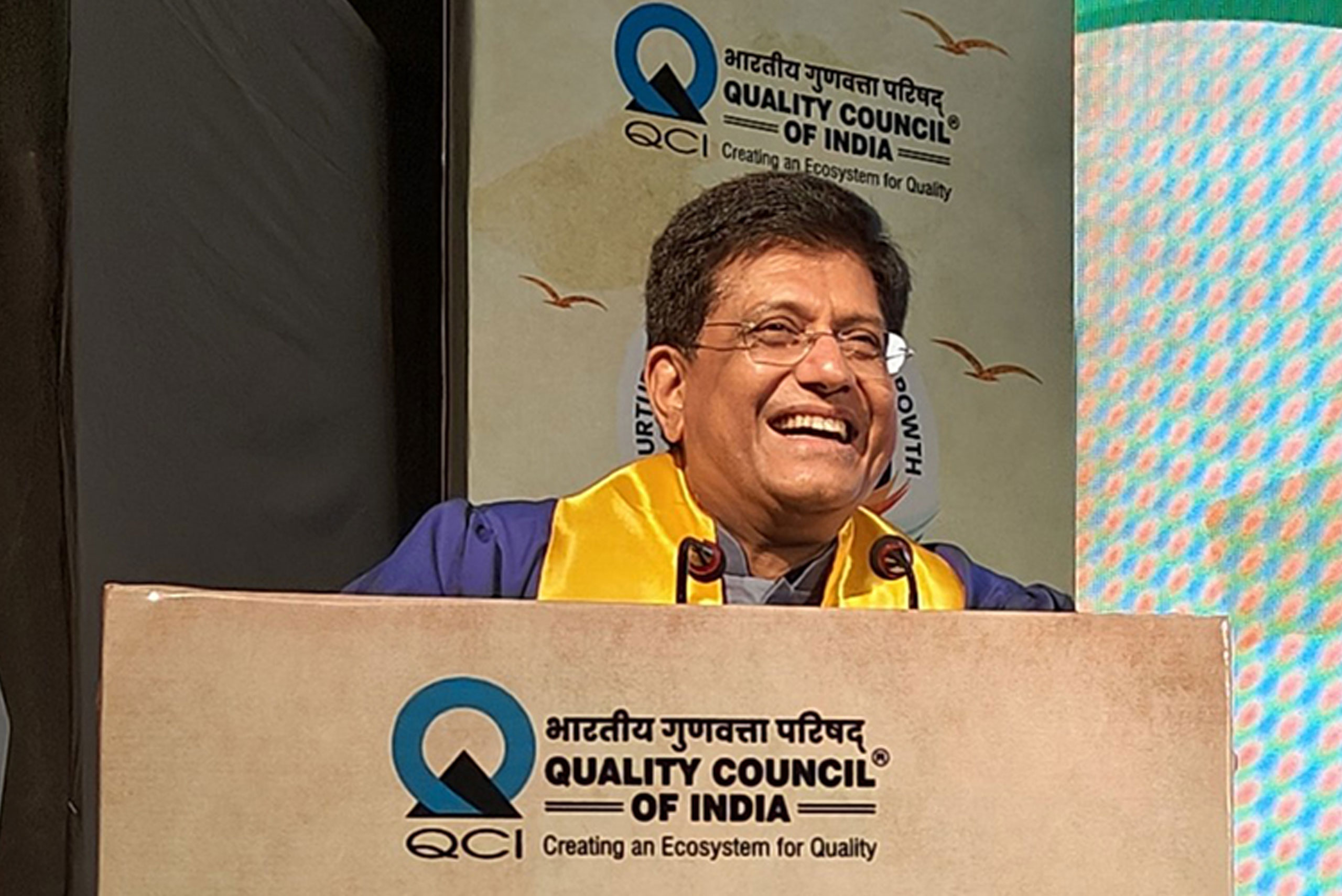
Glimpses