Gunvatta Samarpan
Extraordinary Quality Starts With Technical Competence,
Quality Systems, and Compliance with international standards

REGIONAL TRANSFORMATION THROUGH A COLLECTIVE PLEDGE BY GOVERNMENT, PRIVATE SECTOR, AND CIVIL SOCIETY
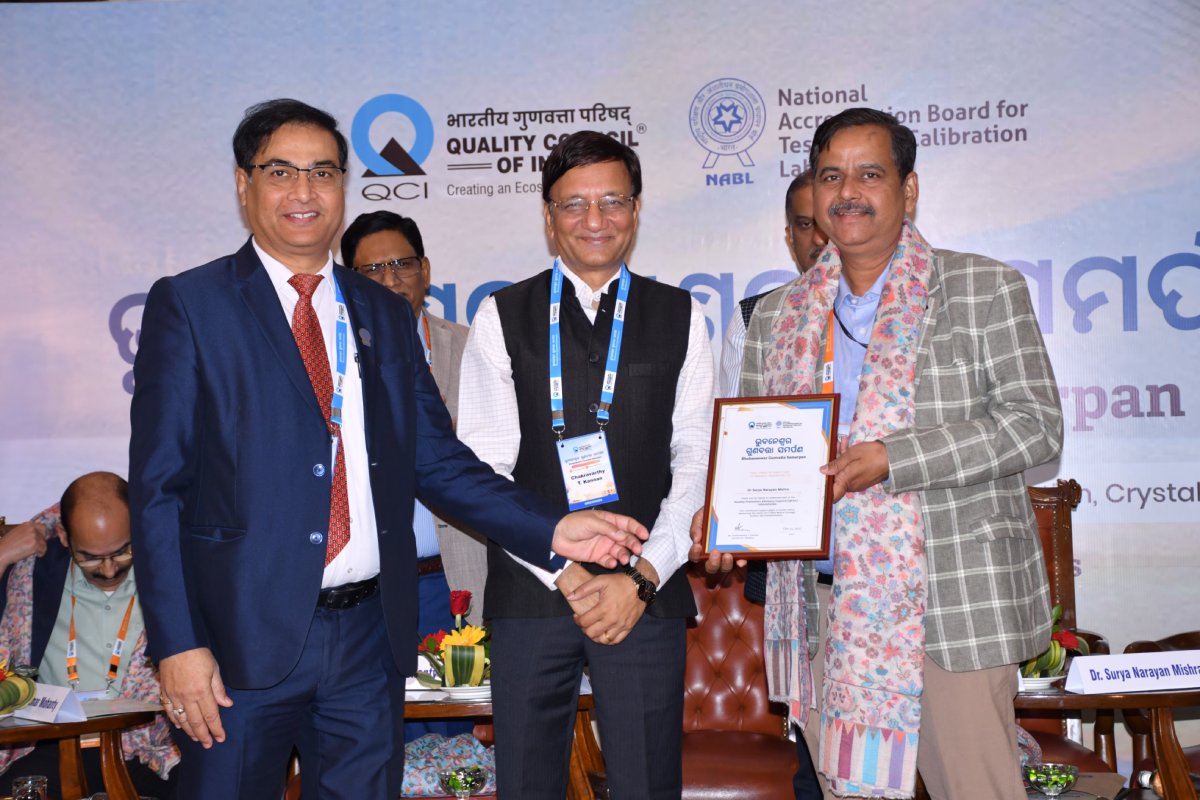
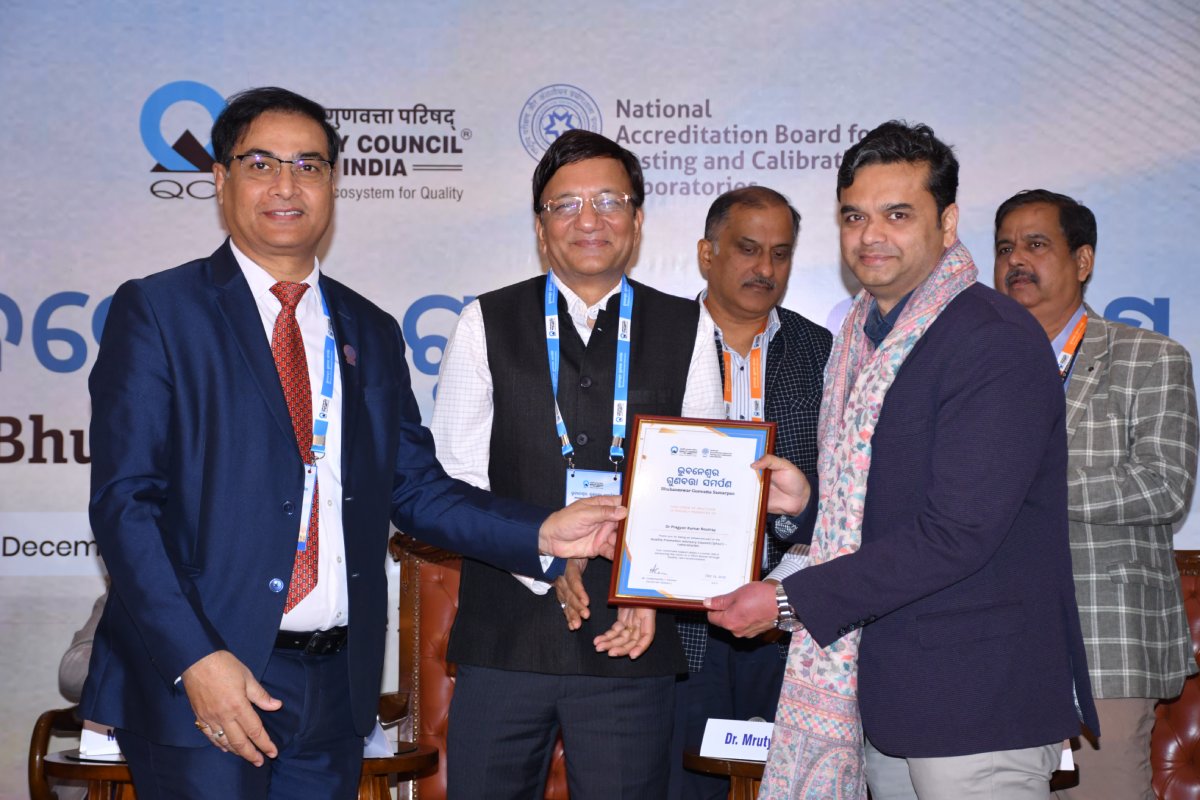
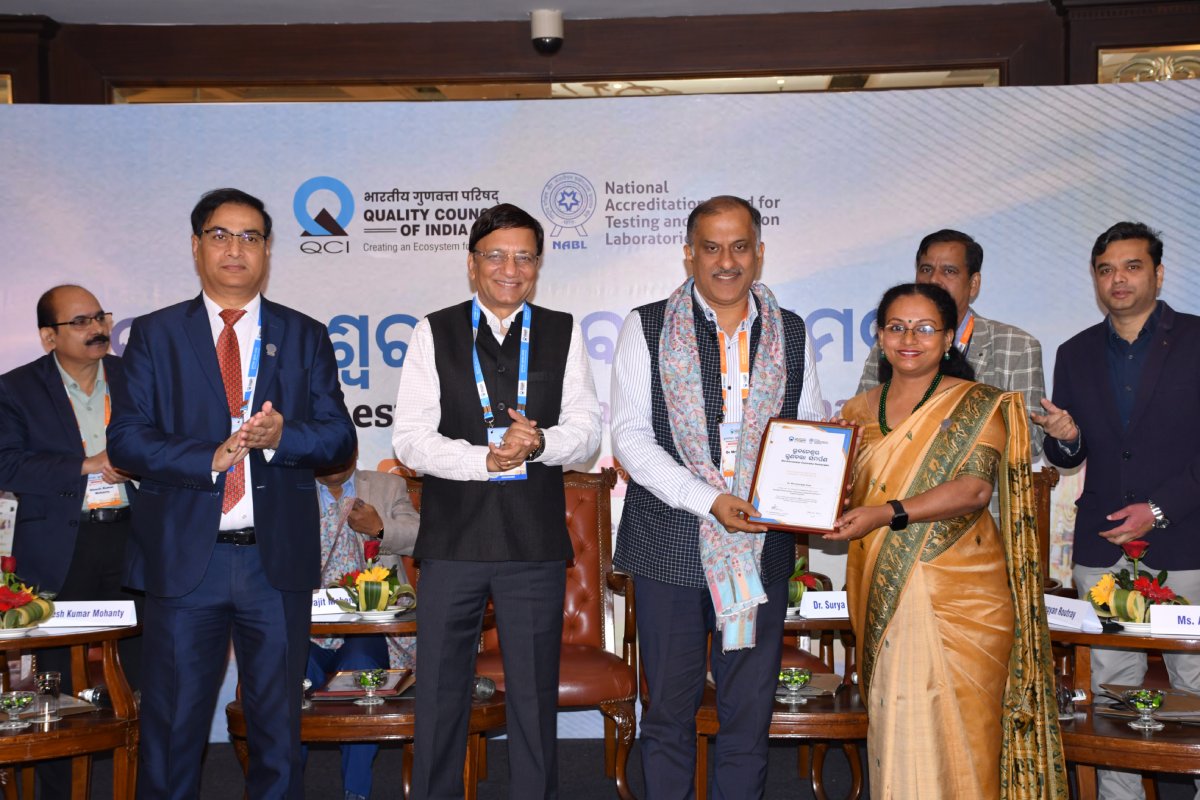
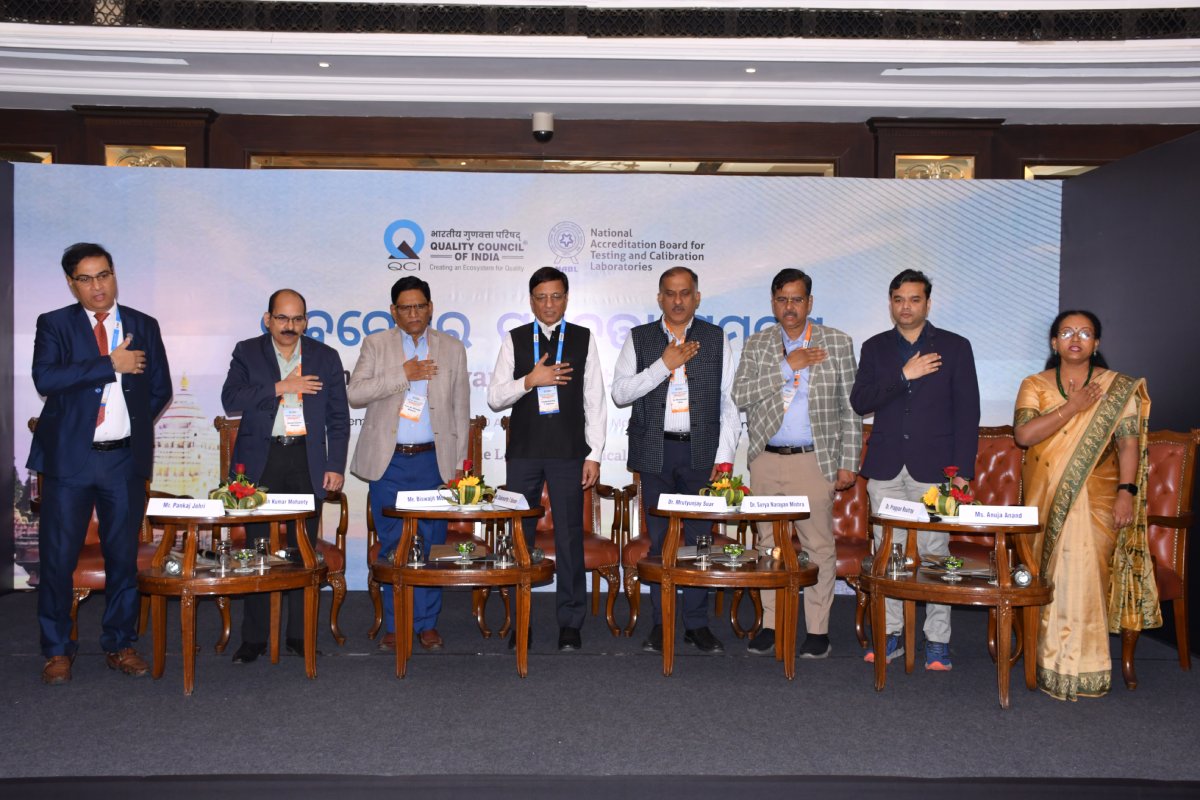
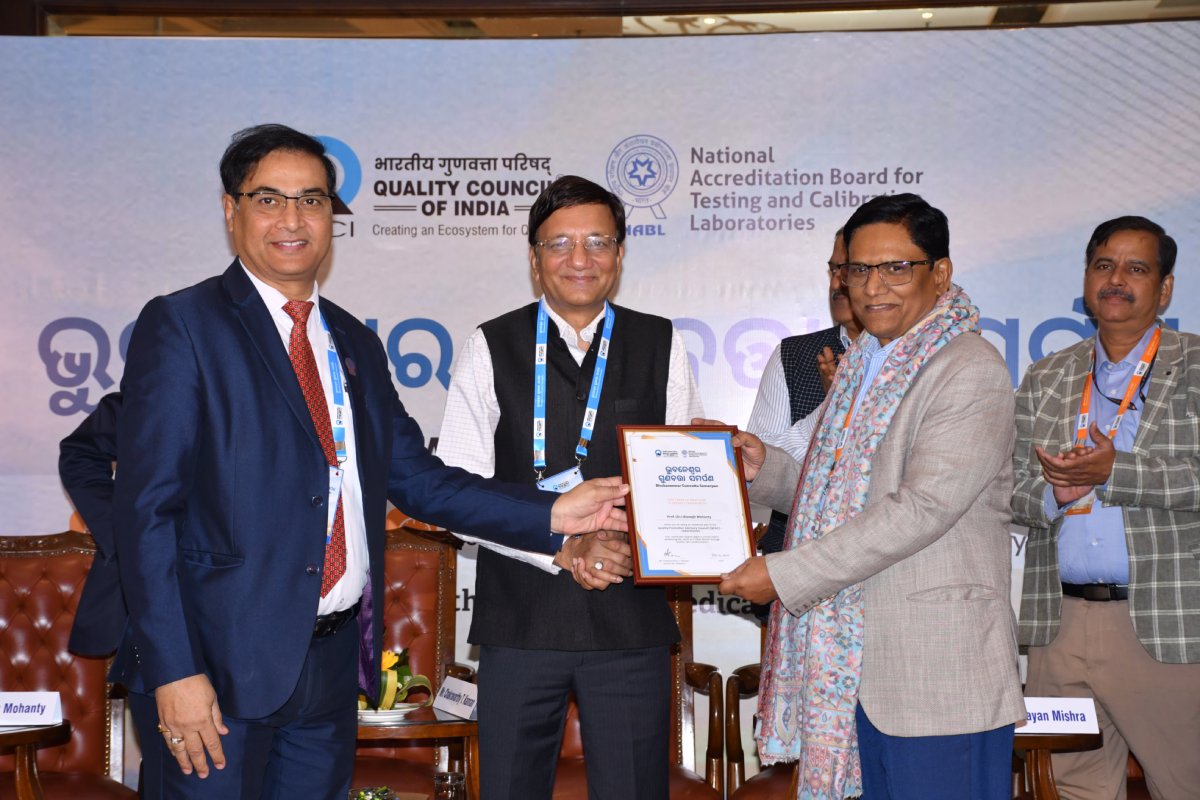
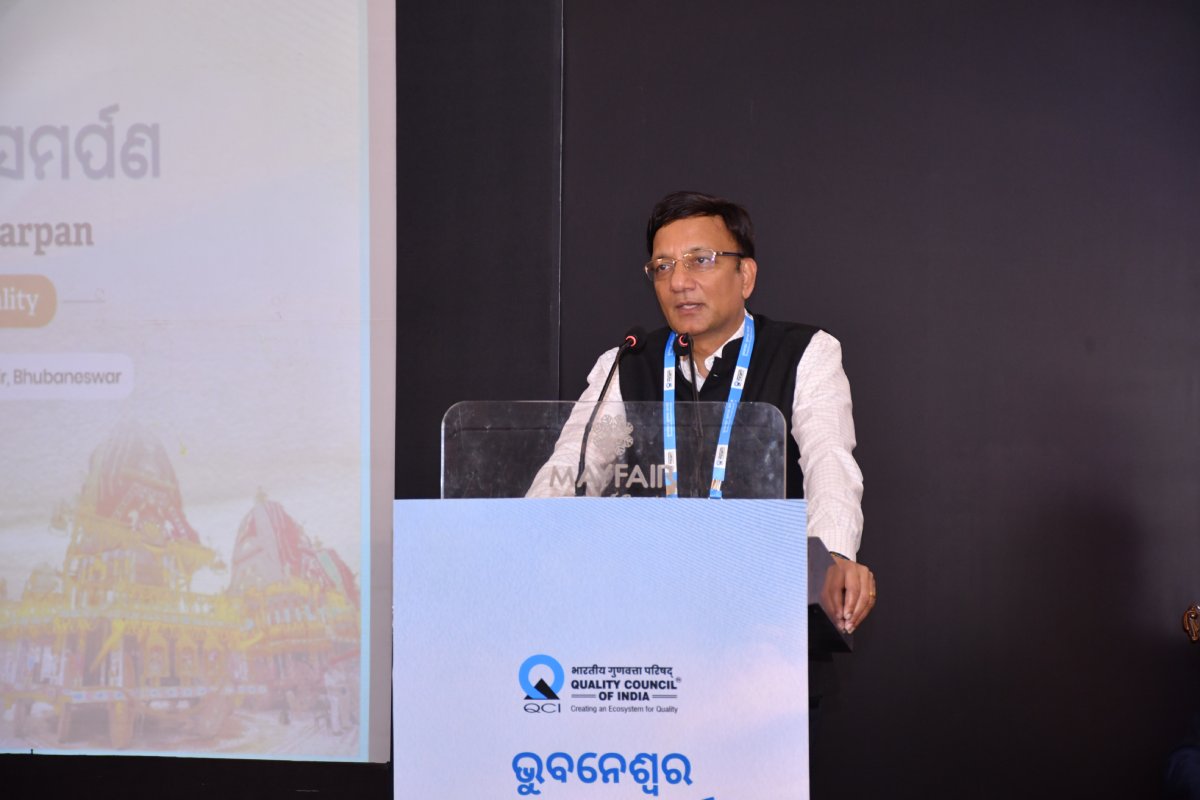
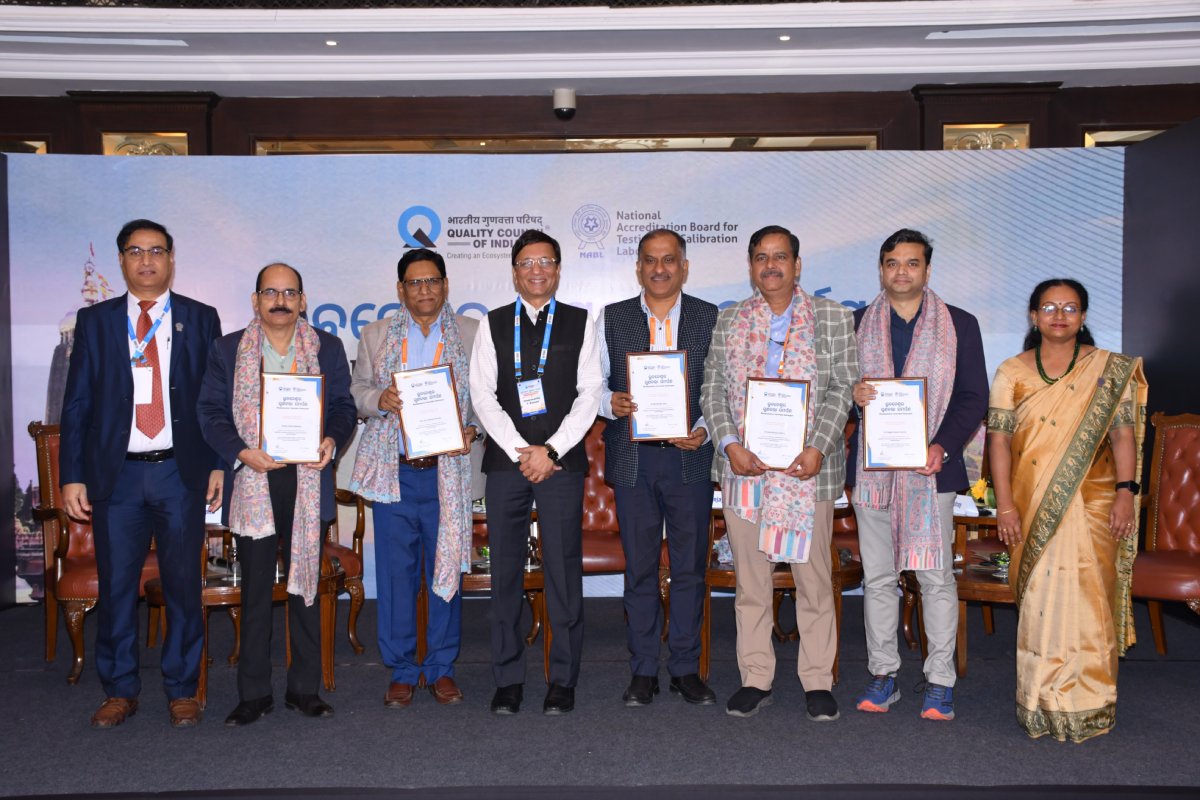
Gunvatta Samarpan is a landmark initiative under the Quality Council of India’s (QCI) Quality City Mission, designed to embed a culture of quality across India’s regions through systemic, localized interventions. Following its successful inaugural launch in Nashik—the first city under this mission—the program has been adopted for Bhubaneswar. By bringing together local authorities, businesses, and community leaders, the project transforms cities into “Quality-First” models for the rest of the nation. This comprehensive initiative ensures that standardized excellence drives equitable, safe, and sustainable progress for every citizen.
OBJECTIVES
- Embed a sustainable and standardized culture of quality across India's regional ecosystems through localized interventions.
- Convene key regional stakeholders from the government, private sector, and civil society onto a unified collaborative platform.
- Address and resolve sector-specific challenges across healthcare, education, small industries, and public works.
- Transform participating cities into high-performing, "quality-first" pilot models for statewide and national replication.
- Establish quality as a shared civic responsibility that ensures safe, equitable progress for all community members.
KEY FEATURES
- Multi-Sectoral Convening: Gathers government, corporate, and civil society leaders to drive unified regional quality upgrades.
- Targeted Technical Accreditations: Accelerates formal national verifications for regional hospitals, clinics, testing laboratories, and manufacturing plants.
- Mission-Driven Pedagogy Upgrades: Deploys structured educational diagnostic assessments and large-scale teacher training.
- Municipal Governance Collaboration: Partners directly with local municipal corporations to modernize urban governance and essential public utilities.
To build a developed nation, quality must be treated as a localized, grassroots capability rather than a distant administrative standard. In alignment with this vision, the Quality Council of India (QCI) introduced Gunvatta Samarpan under its Quality City Mission. The project functions as a regional transformation framework, enabling cities to take a collective pledge to modernize their public and private infrastructure. By launching extensive operational interventions in cities, the project establishes scalable, highly effective models for reform. The initiative strategically bridges the gap between regulatory quality bodies and local administrations, embedding structural improvements across essential civic pillars.
Many regional hubs and expanding cities across India suffer from fragmented quality standards, uneven service delivery, and operational gaps in public infrastructure. Local municipal schools, healthcare clinics, and micro, small, and medium enterprises (MSMEs) often lack the technical resources, standardized training, and institutional guidance required to achieve formal certifications. This gap results in higher educational dropout rates, sub-optimal patient safety controls, and limited global competitiveness for local manufacturers. Without a coordinated, city-wide roadmap, regional centers struggle to overcome these systemic challenges independently. Gunvatta Samarpan provides a comprehensive, structured roadmap of activities designed to systematically uplift a city’s foundational sectors. The solution delivers targeted, localized interventions that replace isolated compliance efforts with city-wide, multi-stakeholder partnerships. By introducing specialized capacity-building models, professional diagnostic tools, and national certification frameworks, the project builds localized ecosystems capable of sustaining high operational performance over the long term.
Organizational Benefits
- Accelerates the onboarding and successful completion of standard quality accreditations for regional medical networks.
- Upgrades the operational capabilities and global market competitiveness of local MSMEs.
- Drives institutional reform within municipal bodies by embedding standardized service delivery frameworks.
- Institutionalizes robust patient safety protocols and delivers large-scale skilling for clinical and non-clinical staff.
- Optimizes classroom pedagogy, reduces student dropout rates, and provides personalized learning plans.
- Enhances industrial output quality by driving local manufacturing units to secure advanced Silver and Gold certifications.
- Establishes highly efficient, replicable blueprints for national public service delivery and urban reform.
- Creates a self-sustaining regional ecosystem of qualified professionals through structured mentorship clusters.
- Builds a thoroughly developed (Viksit) region rooted fundamentally in premium operational quality.
- Achieve 100% certification and accreditation for targeted institutions, such as all municipal schools in a city.
- Create a sustainable ecosystem of trained professionals through “Training of Trainers” (ToT) models and mentorship clusters.
- Establish participating cities as state-wide and national pilot models for institutional reform and public service delivery.
- Build a thoroughly developed (Viksit) region rooted fundamentally in premium operational quality.
Transforming our cities requires a shared commitment to excellence. Whether you represent a municipal department, a healthcare facility, a local enterprise, or a civil society organization, your participation is vital to building a quality-first regional model. Contact the Quality Council of India today to learn how you can align with the Quality City Mission, access specialized capacity-building tools, or participate in upcoming urban transformation frameworks in your region. Together, let us make quality a shared responsibility for a developed India.
Glimpses